
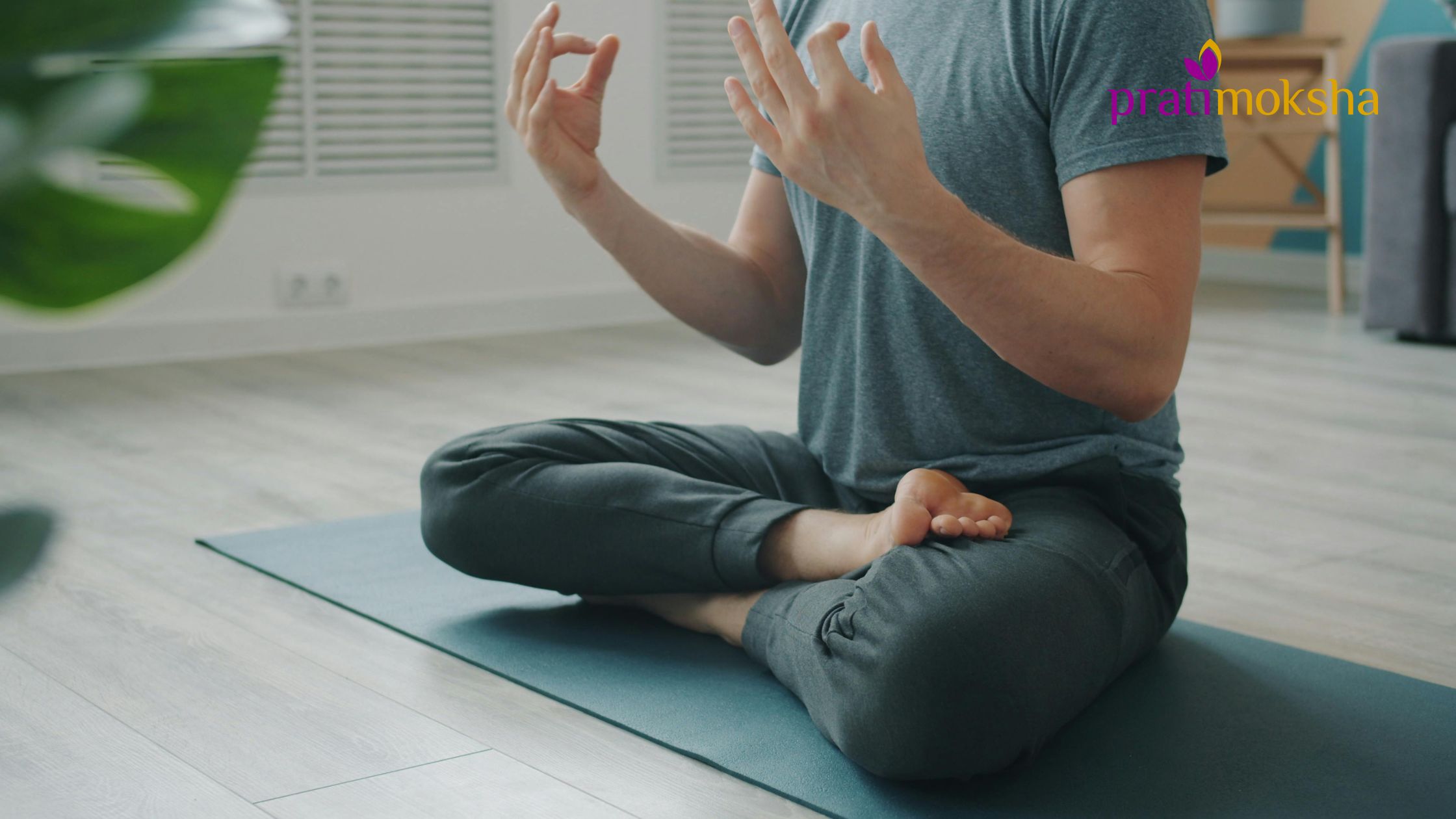
Anxiety does not always announce itself clearly. Sometimes it is a racing mind at 11pm that will not quiet down. Sometimes it is a tightness in the chest that you have been half-ignoring for weeks. Sometimes it is simply the feeling of being permanently slightly behind — on work, on life, on yourself — with no obvious way to catch up.
If you live in Dubai and any of that sounds familiar, you are in very ordinary company.
Why Anxiety Has Become So Common Here
The UAE has seen a significant rise in reported anxiety among working adults over the past several years. A 2023 survey by the Dubai Health Authority found that nearly one in three adults in the emirate reported experiencing anxiety symptoms that interfered with daily functioning — a figure that has only climbed since. Long working hours, financial pressure, the social complexity of expat life, and the near-constant stimulation of a city that genuinely never slows down all contribute to a nervous system that rarely gets a genuine break.
The difficulty is that most of the conventional advice — rest more, stress less, take a holiday — does not account for the structural reality of how people actually live here. So the more useful question is not how to remove the pressure, but how to build a genuine capacity to carry it without it quietly dismantling your health.
This is where a grounded yoga practice, even a simple one done at home, can make a real difference.
What Yoga Does to an Anxious Nervous System
Anxiety, at a physiological level, is the nervous system running in a state of sustained activation. The threat-detection system — designed for genuine emergencies — gets stuck in the on position, triggered repeatedly by stressors that are real but not life-threatening. The body cannot easily distinguish between a difficult conversation and a physical danger. It responds to both with the same biochemical cascade.
Yoga interrupts this pattern through three primary mechanisms:
- Breathwork directly activates the parasympathetic nervous system — the part responsible for rest and recovery — by lengthening the exhale and slowing the respiratory rate. This is not a relaxation technique in the soft sense. It is a physiological intervention.
- Physical postures, particularly forward folds and supported inversions, shift blood flow and reduce cortisol. Held with awareness rather than effort, they signal safety to the body.
- Focused attention — the sustained direction of awareness to a single point, whether the breath, a physical sensation, or a simple visual anchor — interrupts the cognitive loop that keeps anxiety running between past regret and future worry.
None of this requires a studio, equipment, or prior experience. It requires time, consistency, and a willingness to take the practice seriously.
A Simple Home Practice for Anxious Days
The following sequence is accessible to beginners and can be done in twenty to thirty minutes. It is not a substitute for professional support where that is needed, but as a daily practice it builds real and measurable resilience over time.
Start with breath. Sit comfortably with your spine upright. Inhale for a count of four. Exhale for a count of six to eight. Repeat for ten cycles without forcing the breath — lengthen it gradually rather than straining. This alone, done before anything else, begins to shift the nervous system toward a more regulated state.
Move into a supported forward fold. From a seated position, extend your legs and fold forward gently, resting your forehead on a cushion or folded blanket if the floor is not accessible. Stay for two to three minutes. Let the back of the body release. Do not pull or push — simply allow gravity to do the work.
Come into legs up the wall. Lie on your back and rest your legs vertically against a wall. Support the lower back with a folded blanket if needed. Stay for five minutes. This posture is deeply regulating for the nervous system and requires no effort whatsoever — which is precisely the point.
End with a body scan. Lying flat, close your eyes and move your attention slowly from the feet upward through the body, pausing at each area without trying to change anything. This is the beginning of meditation practice in its most accessible form — not emptying the mind, but learning to observe it without being pulled entirely by it.
What Makes This Different From Generic Relaxation
The distinction between a yoga-based approach to anxiety and generic relaxation techniques lies in the philosophy behind the practice. Yoga, in the classical sense, is not trying to make you feel better in the moment. It is trying to build a different relationship with your own experience — one where difficult states are met with awareness rather than avoidance, and where the nervous system is gradually trained toward greater stability.
This is the principle that underpins the yoga therapy work at Pratimoksha. The practices used with students experiencing anxiety are drawn from the same classical framework, adapted thoughtfully to individual circumstances. The goal is never suppression or escape. It is the slow, patient development of genuine equanimity — which is different from calm, and considerably more durable.
When a Home Practice Is Not Enough
A home practice is a meaningful starting point. But anxiety that is persistent, disruptive, or deepening benefits from structured guidance. A teacher who understands both the physiological and philosophical dimensions of the practice can observe what a student cannot see in themselves — patterns of holding, avoidance, or effort that are maintaining the very state they are trying to resolve.
The yoga classes at Pratimoksha are designed with this level of awareness in mind, and individual sessions allow for a degree of personalisation that a group class cannot always provide. For those navigating more persistent anxiety, the individual programme offers a structured, progressive path with consistent support.
A Place to Begin
If you are in Dubai and anxiety has become a background condition of your daily life, the practices above are a genuine starting point — not a placeholder until something better comes along. Start small, start consistently, and notice what changes.
When you are ready to take it further, Pratimoksha is here. You are welcome to book a trial session or simply get in touch with any questions. There is no pressure to commit to anything before you are ready. Just a door that is open.


0 Comments