
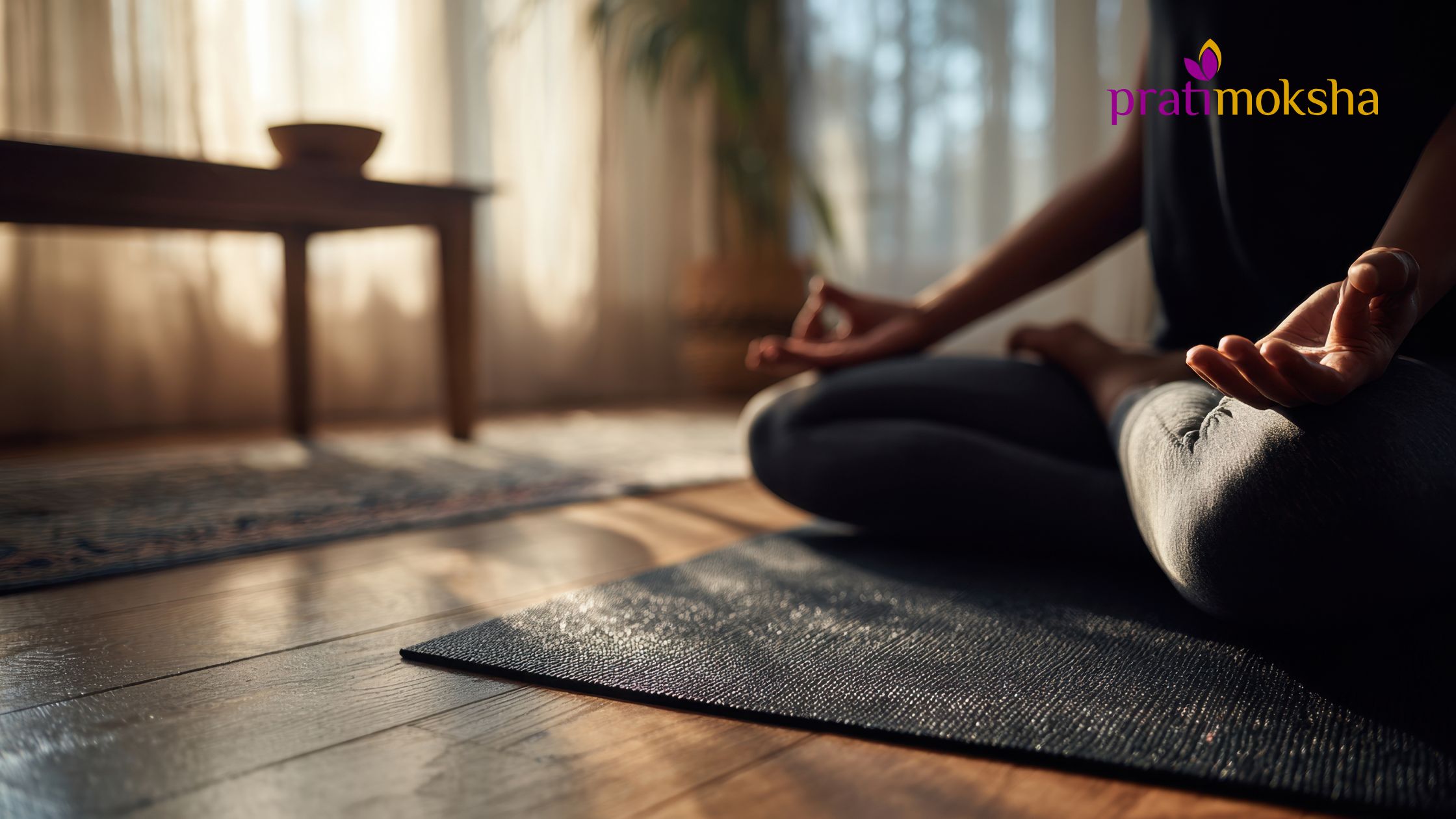
Evenings in Dubai often arrive quietly.
After long hours of work, traffic, screens, and constant interaction, the body finally slows down. Yet the mind does not always follow. Many residents lie down at night physically exhausted but mentally alert, replaying conversations, planning the next day, or scrolling long past intention.
For health-conscious individuals seeking better sleep and emotional steadiness, the challenge is not effort. It is transition.
Yoga, when practiced consciously in the evening, offers a way to move from stimulation into rest with awareness and care.
Why Evenings Are Difficult in Dubai
Dubai’s lifestyle creates a delayed nervous system response.
Long working hours, late dinners, artificial lighting, heavy air-conditioning, and extended screen exposure keep the nervous system active well into the night. Even when the day ends, the body remains in a state of readiness.
Many residents attempt to address this with intense workouts, late-night stretching, or passive relaxation techniques. While well intentioned, these approaches often fail to prepare the nervous system for sleep.
An evening yoga routine must be calming, grounding, and precise.
A Quiet Story from Dubai
A Dubai-based professional shared how sleep had become increasingly fragmented despite maintaining a disciplined lifestyle. Evening exercise provided temporary relief but often left the body restless at night.
When she shifted to a slower, breath-led evening yoga practice, the initial sessions felt unfamiliar. There was less movement and more stillness. Over time, falling asleep became easier. Night-time awakenings reduced. Mornings felt less heavy.
The change did not come from doing more. It came from doing what was appropriate for the time of day.
Dubai in Numbers: Sleep and Stress
Health data from the UAE consistently shows rising reports of sleep disturbances, stress-related fatigue, and anxiety symptoms among urban residents. Late working hours and high digital engagement are commonly cited contributors.
These patterns underline the need for evening practices that support nervous system downregulation rather than stimulation.
Yoga, when applied thoughtfully, addresses this need directly.
The Evening Nervous System Shift
The transition from day to night is a physiological shift, not just a psychological one.
In the evening, the nervous system needs clear signals that activity is complete. Without this signal, the body remains alert even when exhausted. Evening yoga works best when it consciously marks this transition.
Lowering light, reducing sensory input, and slowing breath all prepare the system for rest. Yoga becomes a ritual of closure rather than another activity.
Principles of a Conscious Evening Yoga Practice
An effective evening routine is not defined by how many postures are practiced, but by how the nervous system responds.
Evening yoga should emphasise:
- Slower pace and fewer transitions
- Longer exhalations
- Gentle movements close to the ground
- Conscious pauses between actions
The intention is to signal safety, closure, and rest.
A Grounded Evening Yoga Routine
This routine can be practiced at home and adapted to individual capacity. Consistency matters more than duration.
1. Arriving in Stillness
Begin seated or lying down. Place attention on natural breathing. Allow the body to settle without attempting to control the breath.
2. Gentle Spinal Movements
Slow, small movements of the spine release accumulated tension from prolonged sitting. Movement remains smooth and unforced.
3. Supported Forward Bends
When supported appropriately, forward bends encourage inward focus and mental quiet. Depth is not the goal.
4. Reclined Hip and Leg Release
Gentle hip and leg movements help discharge the day’s load without activating the nervous system.
5. Extended Rest
End with a longer period of stillness. Attention rests on the breath, allowing the body to integrate the practice.
These principles are central to the work offered through Pratimoksha’s yoga therapy programmes, where evening practices are often tailored to sleep quality, stress patterns, and individual constitution.
A Corrective Insight on Evening Wellness
A common misconception is that evening yoga should “tire the body out.”
In reality, fatigue and rest are not the same. Overexertion late in the day often increases restlessness rather than easing it.
Evening yoga works when it reduces stimulation, not when it adds another layer of effort. This requires restraint, awareness, and trust in slower processes.
The Pratimoksha Approach to Evening Practice
At Pratimoksha, evening practices are taught with restraint and sensitivity. The focus is not flexibility or achievement, but nervous system readiness for rest.
Under the guidance of founder and lead yoga therapist Lalitha Viswanath, students learn to recognise when to soften rather than push. This discernment is particularly valuable for Dubai residents navigating demanding schedules.
Many begin this journey through mindful yoga classes that respect circadian rhythms and emotional states.
Evening Habits That Support Yoga Practice
Even the most refined yoga practice cannot compensate for habits that keep the nervous system alert.
Simple adjustments, such as dimming lights after sunset, reducing late-night screen exposure, and allowing space between dinner and sleep, amplify the effects of evening yoga. These habits work quietly alongside practice, reinforcing the body’s natural rhythms.
Yoga becomes most effective when it is part of a wider evening ecology, not an isolated technique.
Responsibility and Routine
A conscious evening yoga routine requires commitment.
Benefits emerge when the practice is repeated regularly, ideally at a similar time each evening. The nervous system learns through consistency.
Yoga supports better sleep, but it does not replace personal responsibility. Choices around screens, meals, and bedtime routines remain important.
For those unsure where to begin, starting with a trial session offers space to explore evening practices in a guided, supportive setting.
Closing the Day with Awareness
Evenings mark a transition, not just in time but in state of being.
A conscious yoga routine helps the body and mind recognise that transition with clarity. Not through force, but through attentiveness.
For residents seeking peace after long days, evening yoga offers a way to close the day responsibly and prepare for rest. Quietly. Consistently. With respect for the body’s need to recover.



0 Comments