
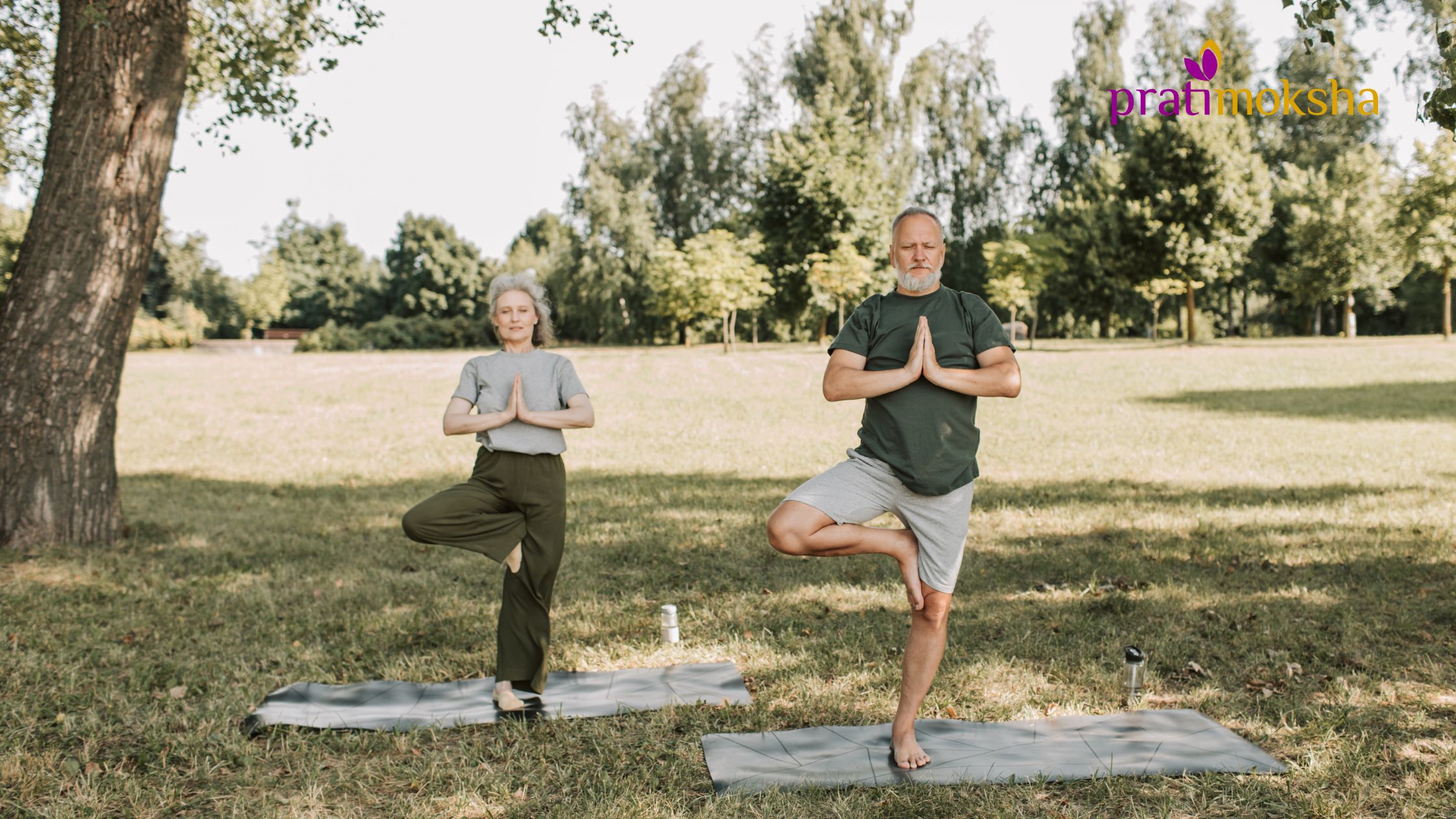
Dubai is a city that rewards speed.
Fast decisions, long working hours, constant connectivity, and an environment where efficiency is often valued over reflection. For many health-conscious residents, wellness becomes another task to optimise. Another appointment. Another result to achieve.
Yet beneath the polished routines and premium memberships, many Dubai residents quietly sense that something is missing. Despite exercising regularly, eating carefully, and investing in self-care, the body remains tense. The breath remains shallow. The mind rarely settles.
This is where slow yoga practices begin to matter.
Not as a trend. Not as a softer alternative to intense workouts. But as a refined, intentional approach to long-term wellbeing rooted in awareness, discipline, and discernment.
Dubai’s Wellness Paradox
Dubai offers some of the world’s most advanced wellness facilities. Yet the lifestyle here carries unique pressures.
Long hours of sitting, screen exposure, artificial air-conditioning, high ambient heat, and the emotional demands of expatriate life quietly accumulate in the nervous system. Many residents function well externally while internally operating in a constant state of low-grade stress.
In this environment, faster or more demanding yoga styles can unintentionally add to the strain. The body may become stronger, but the nervous system remains overstimulated.
Slow yoga responds to this paradox by addressing regulation rather than performance.
What Slow Yoga Truly Means
Slow yoga is often misunderstood as passive or easy. In reality, it requires more attention, more patience, and more internal participation than dynamic forms.
At Pratimoksha, slow yoga is grounded in classical yogic principles, therapeutic sequencing, and breath-led awareness. Movements are deliberate. Transitions are conscious. Pauses are intentional.
This pace allows the practitioner to feel rather than force. To observe patterns of holding. To rebuild trust between breath, body, and mind.
Slow yoga does not aim to exhaust the body. It aims to educate it.
A Quiet Story from Dubai
A senior professional who had lived in Dubai for over a decade once shared a familiar experience.
He exercised five times a week and maintained a disciplined lifestyle. Yet chronic neck tension, disturbed sleep, and persistent fatigue had become normal. Yoga classes felt physically demanding but mentally draining.
When he transitioned to slow, therapeutic yoga, the initial discomfort was not physical but psychological. The absence of urgency felt unsettling. Over time, subtle changes emerged. Breathing patterns softened. Sleep stabilised. The constant sense of pressure began to ease.
The transformation was gradual, not dramatic. But it was sustainable.
The Science Behind Slowing Down
Slow yoga directly supports the parasympathetic nervous system. Longer holds, smooth breathing, and mindful transitions signal safety to the body.
In Dubai, where many residents unknowingly operate in sympathetic overdrive, this regulation is essential.
According to UAE health reports, stress-related conditions and anxiety symptoms have steadily increased among working adults, particularly within high-performing professional groups. The need is not more stimulation, but better regulation.
Yoga, when practiced slowly and correctly, becomes a nervous system therapy rather than a fitness routine.
Core Slow Yoga Practices for Dubai Residents
Slow yoga is not defined by a fixed sequence. It is defined by how practices are approached.
1. Breath-Centred Asana
Postures are entered and exited with awareness of breath. The breath leads the movement, not the other way around. This is particularly important in air-conditioned environments that encourage shallow breathing.
2. Extended Holds with Support
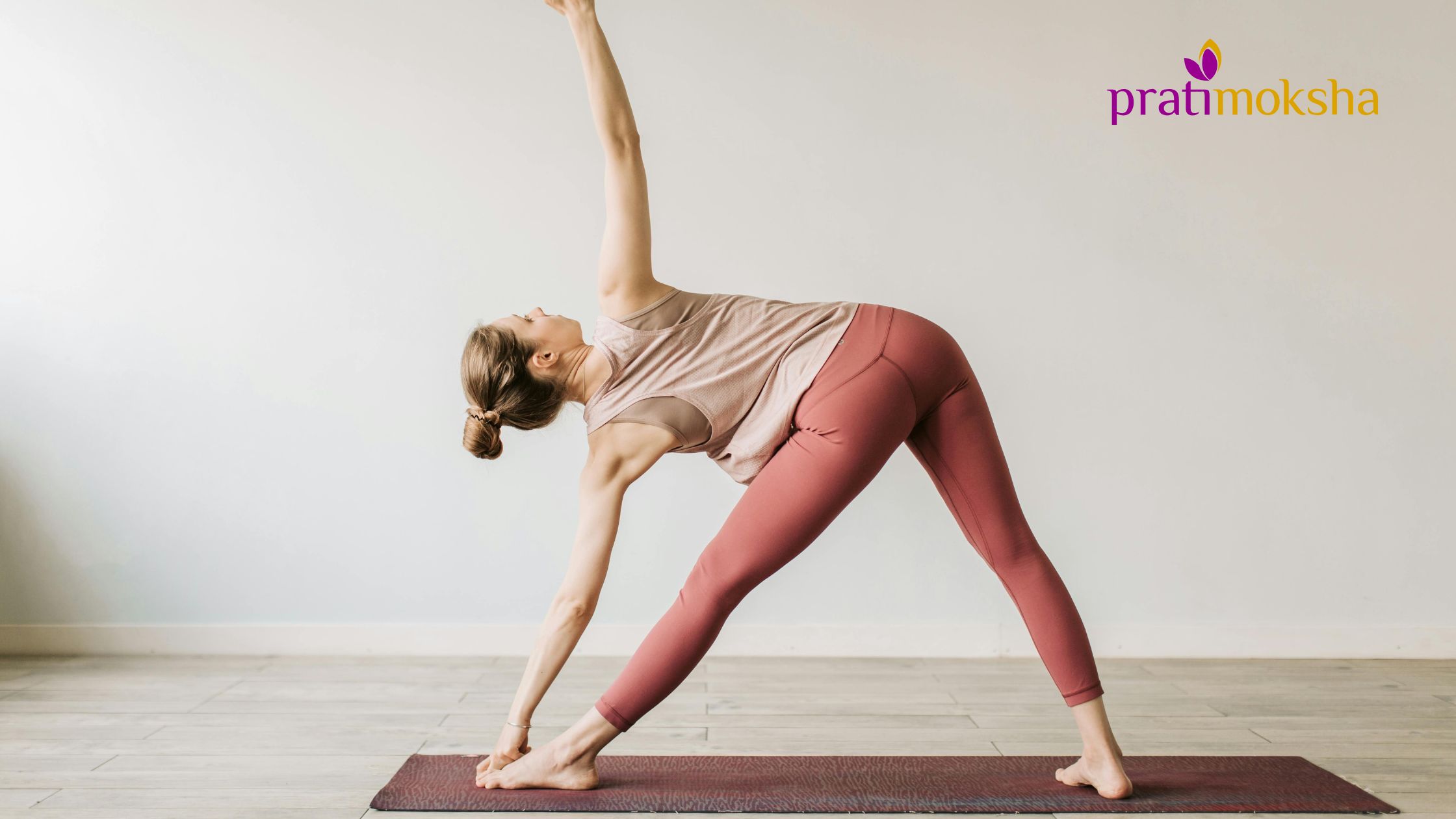
Holding poses for longer durations allows connective tissues and joints to release without force. Props are used intelligently, not as shortcuts, but as tools for precision.
3. Conscious Transitions
Transitions are often where strain accumulates. Moving slowly between postures cultivates stability and attentiveness.
4. Restorative Pauses
Stillness is not an afterthought. It is integrated throughout the practice, allowing the nervous system to recalibrate repeatedly.
These principles are foundational to therapeutic work at Pratimoksha’s yoga therapy programmes, where practices are tailored to individual needs rather than generic formats.
A Corrective Insight on Modern Wellness
One of the most persistent misconceptions in modern wellness culture is that more effort always leads to better results.
In reality, effort without awareness often reinforces imbalance.
For many Dubai residents, the body is already over-efforting. Muscles grip unnecessarily. Breathing patterns are strained. The mind pushes even during rest.
Slow yoga challenges this conditioning. It teaches discernment over intensity. Quality over quantity.
This is not a retreat from discipline. It is a refinement of it.
The Pratimoksha Approach
Pratimoksha does not offer yoga as a performance-based practice. The approach is rooted in tradition, therapy, and lived experience within Dubai’s realities.
Under the guidance of founder and lead yoga therapist Lalitha Viswanath, practices emphasise stability, awareness, and long-term integration. Students are encouraged to listen carefully to their bodies and to respect their current capacity.
This approach resonates deeply with health-conscious individuals who value authenticity over trends and sustainability over short-term gains.
Those exploring structured group learning often begin through mindful yoga classes that prioritise depth and individual attention.
Consistency Over Convenience
Slow yoga demands commitment.
Progress is not measured by how advanced a posture looks, but by how the breath responds and how the mind settles. Benefits emerge through regular, attentive practice, not occasional sessions.
This expectation is made clear from the beginning. Yoga supports healing, but it requires participation.
For residents seeking a more personalised entry point, a trial session offers an opportunity to experience this approach without pressure or performance.
Who This Practice Is For
Slow yoga is particularly suited for Dubai residents who:
- Value quality and depth in their wellness choices
- Experience chronic tension, fatigue, or stress despite an active lifestyle
- Seek regulation rather than stimulation
- Are willing to invest time and attention in long-term wellbeing
It may not appeal to those seeking quick results or aesthetic goals. And that is intentional.
A Thoughtful Invitation
Mindful, high-quality wellness is not about doing more. It is about doing what is appropriate.
Slow yoga offers a way to meet the demands of Dubai life without being consumed by them. It creates space for clarity, resilience, and steadiness.
For those who feel ready to explore yoga beyond trends and intensity, Pratimoksha’s therapeutic approach provides a grounded path forward. Not hurried. Not forceful. But deeply effective over time.


0 Comments