
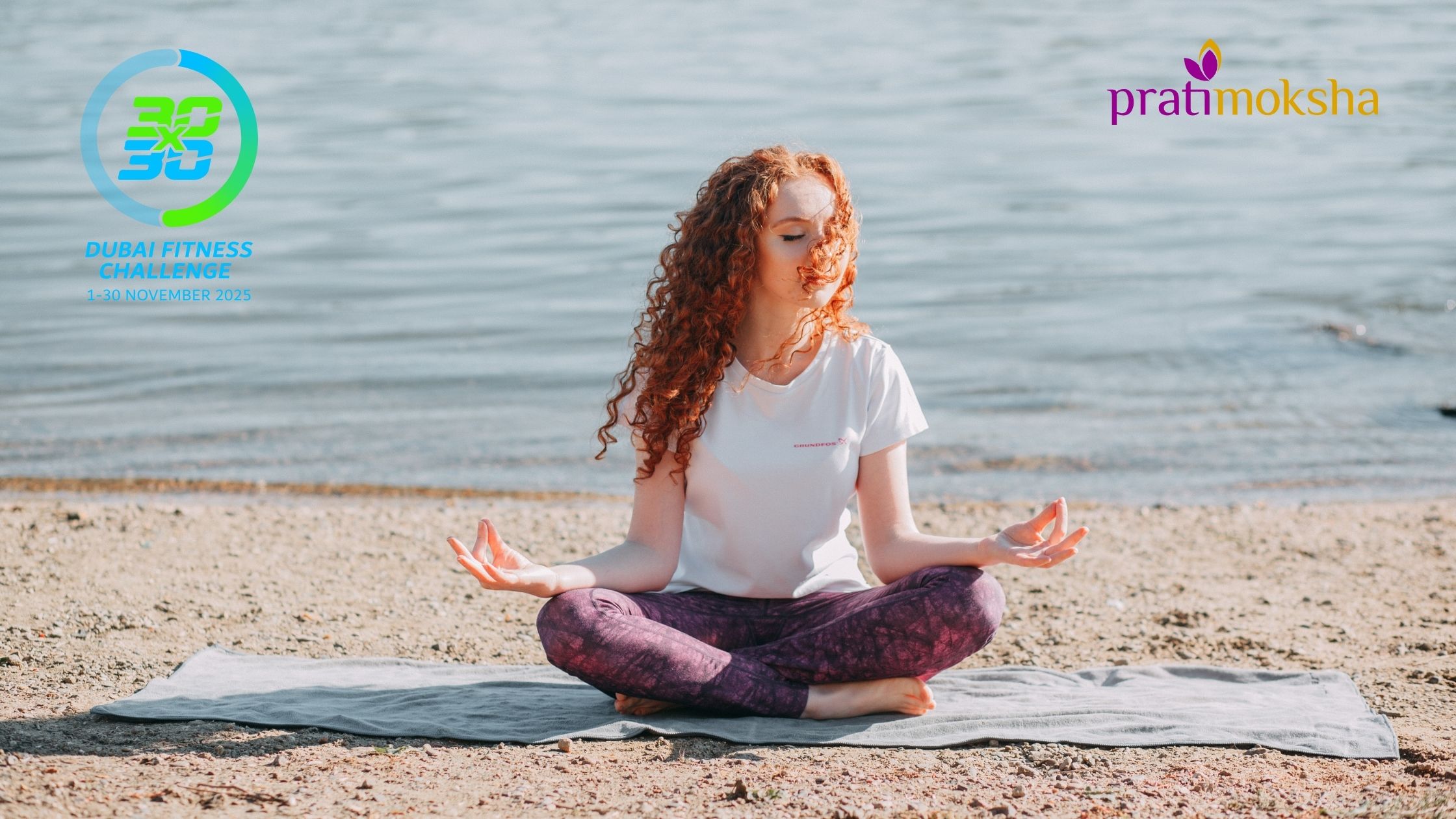
When Pressure Builds Quietly After Relocation
For many expats, the initial phase of relocation to Dubai is marked by momentum. New roles begin, responsibilities expand, and expectations are high. On the surface, life appears to be moving forward decisively.
Yet beneath this progress, pressure often accumulates quietly. Work demands increase. Social and family responsibilities evolve. The nervous system remains alert long after the workday ends.
Stress in this phase is not always dramatic. It is cumulative.
Yoga, when practiced as a therapeutic discipline rather than a physical outlet, offers a way to release this load responsibly and restore internal steadiness.
Work and Life Pressures in Dubai’s Expat Reality
Dubai’s professional environment rewards adaptability and performance. For newly relocated expats, proving competence often becomes a priority. Long working hours, constant connectivity, and high expectations are common.
At the same time, life outside work requires attention. Housing, schooling, social integration, and cultural navigation continue in parallel. The body adapts, but often without adequate recovery.
Stress release, in this context, is not about switching off completely. It is about allowing the nervous system to downshift regularly.
How Yoga Supports Stress Release at a Nervous System Level
From a Yogic perspective, stress is not only mental. It is stored in the breath, muscles, and patterns of attention.
When the breath becomes shallow and movement rushed, the nervous system remains in a state of readiness. Over time, this affects sleep, mood, digestion, and emotional regulation.
Therapeutic Yoga works by restoring rhythm to breath and movement, signalling safety to the nervous system. This approach is central to a therapeutic yoga framework, where stress is addressed progressively rather than forcefully.
Dubai in Numbers: Stress and Expat Professionals
Regional wellbeing observations consistently indicate elevated stress and burnout symptoms among expatriate professionals in the UAE, particularly during the first years of relocation. Long working hours and digital overload are frequently cited contributing factors.
These patterns highlight the need for stress-release practices that are sustainable and integrated into daily life.
A Familiar Expat Experience
An expat manager shared feeling persistently tense despite enjoying his role in Dubai. Even weekends felt rushed. Exercise provided momentary relief but did not address the underlying restlessness.
When he introduced a slower, stress-release yoga sequence into his evenings, the change was gradual. Muscular tension reduced. Breathing softened. Emotional responses felt less reactive.
The sequence did not remove work pressures. It changed how his body carried them.
Principles of a Stress-Release Yoga Sequence
A stress-release sequence is defined less by the number of postures and more by how they are practiced.
Key principles include:
- Slower pace with minimal transitions
- Breath-led movement with extended exhalation
- Emphasis on grounding and support
- Integrated pauses for nervous system reset
These principles allow the body to discharge stress without creating additional stimulation.
A Simple Stress-Release Sequence for Expats
This sequence can be practiced at home in the evening or after work. Duration can range from 20 to 40 minutes depending on capacity.
1. Arriving in Stillness
Begin seated or lying down. Place attention on natural breathing. Allow the body to register that effort can soften.
2. Gentle Spinal Movements
Slow, mindful movements of the spine help release tension accumulated from prolonged sitting and screen work.
3. Supported Forward Bends
When supported appropriately, forward bends encourage inward focus and calm mental activity. Depth is not the goal.
4. Grounding Standing Postures
Simple standing postures emphasising connection to the feet help discharge excess mental energy and restore stability.
5. Extended Rest
End with a longer period of stillness. Attention rests on the breath, allowing the nervous system to integrate the practice.
Such sequencing principles are often introduced within mindfully guided yoga classes that prioritise regulation over exertion.
For expats with specific stress patterns or health concerns, personalised therapeutic guidance allows the sequence to be adapted responsibly.
Correcting a Common Stress-Relief Misconception
A common belief is that stress must be released through intensity.
In reality, overstimulation often perpetuates stress. Fast-paced or demanding practices can leave the nervous system activated rather than soothed.
Yoga challenges this narrative by emphasising awareness, restraint, and appropriate effort.
The Pratimoksha Approach to Stress Release
At Pratimoksha, stress-release practices are taught with precision and care.
Under the guidance of Lalitha Viswanath, founder and lead Yoga therapist, sequences are designed to support emotional grounding and nervous system health rather than provide temporary relief.
This approach supports expats seeking stability amid new work and life pressures.
Responsibility, Regularity, and Respect for Limits
Stress release is not a one-time intervention.
Regular, attentive practice allows the nervous system to recalibrate gradually. Yoga supports this process, but consistency and personal responsibility remain essential.
A Calm Way to Begin
Work and life pressures may continue. How the body responds can change.
For expats interested in learning stress-release practices within a supportive, traditional framework, beginning with a guided introductory session offers a grounded entry point. Those seeking clarity or individual support are welcome to reach out via the studio contact page for a thoughtful conversation.
Stress does not need to be carried alone. With the right practices, it can be released gradually and responsibly.



0 Comments