
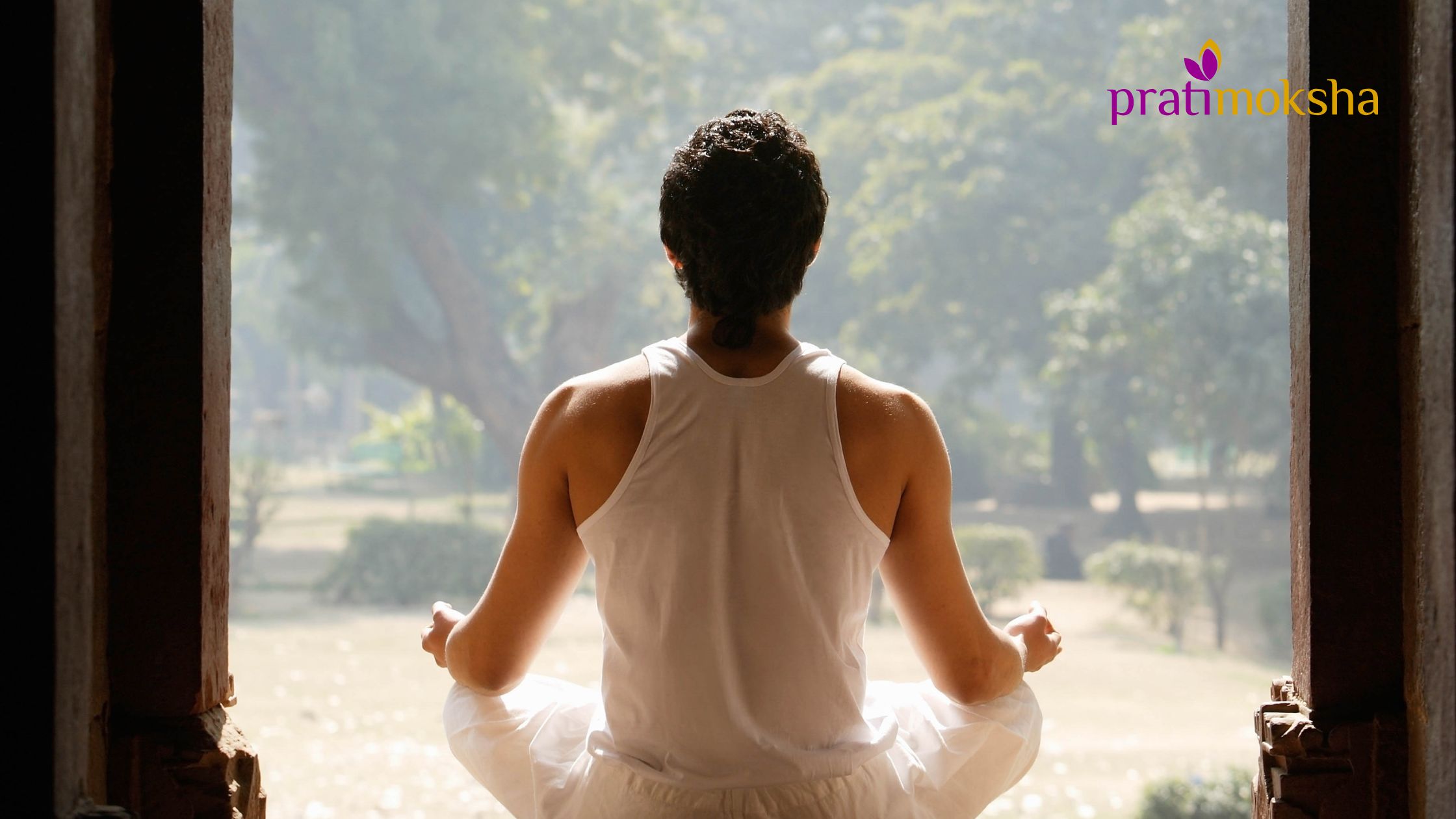
In today’s wellness economy, choice has become abundant, but trust has become scarce.
In cities like Dubai, where quality products, premium services, and curated experiences are easily accessible, conscious individuals are no longer impressed by availability alone. They are paying closer attention to coherence.
Does this approach respect my body?
Does it acknowledge effort?
Does it mature me, or merely stimulate me?
For a growing number of discerning consumers, these questions are leading them away from commercial wellness models and back towards traditional Yoga.
Not as a trend revival.
But as a return to integrity.
When Wellness Becomes Consumption
Modern wellness often borrows the language of healing while functioning like entertainment.
Practices are packaged for quick engagement. Results are promised on timelines. Discomfort is framed as something to eliminate rather than understand.
For conscious consumers, this creates a subtle but persistent unease. Healing begins to feel transactional. Something to be purchased, upgraded, or replaced when it stops delivering novelty.
Traditional Yoga stands apart because it does not position healing as a product.
It positions healing as a process that requires participation, patience, and responsibility.
This difference matters deeply to those who already live consciously in other areas of life.
The Intelligence Behind Choosing Tradition
Conscious consumers are not driven by nostalgia. They are driven by pattern recognition.
They notice that systems which endure tend to be internally complete. They do not rely on constant reinvention to remain relevant.
Traditional Yoga offers such completeness.
It does not isolate the body from the mind, or the mind from behaviour. It addresses posture, breath, attention, lifestyle, and ethical orientation as a single ecosystem.
Healing, within this framework, is not about fixing what is broken. It is about restoring balance across the whole system.
For individuals who value quality and longevity, this integrated intelligence feels trustworthy.
Healing Requires a Different Pace
One of the most difficult adjustments for modern consumers is pace.
Commercial wellness often equates progress with speed. Faster results. Immediate relief. Visible change.
Traditional Yoga works in the opposite direction.
It slows the system down enough for regulation to occur. Breath patterns are stabilised before strength is built. Awareness is trained before intensity is introduced.
In high-pressure urban environments, where nervous systems are constantly stimulated, this slower pace is not indulgent. It is necessary.
Healing cannot occur in a system that is perpetually alert.
A Correction to the Idea of Relief
A common assumption is that healing should feel pleasant from the beginning.
Traditional Yoga challenges this gently but firmly.
Early stages of healing often involve noticing discomfort that was previously ignored. Restlessness, fatigue, emotional sensitivity. These are not signs of failure. They are signs of awareness returning.
Conscious consumers understand this principle instinctively. They know that meaningful change is rarely comfortable at first.
Yoga does not numb experience.
It refines perception.
This is why it resonates with those seeking depth rather than escape.
The Ethical Framework Behind Yoga
Yoga is grounded in restraint, moderation, and self-observation.
It discourages excess.
It questions dependency.
It values steadiness over stimulation.
For individuals who already make ethical choices in food, consumption, work, and relationships, this framework feels aligned rather than imposed.
Healing, in Yoga, is inseparable from how one lives.
At Pratimoksha, this integrity is preserved through the work guided by Lalitha Viswanath, Founder and Lead Yoga Therapist. The approach does not dilute Yoga to suit trends. It applies Yoga thoughtfully to modern realities without compromising its principles.
Why Healing Must Address the Nervous System
In fast-paced urban settings, chronic stress is no longer exceptional. It is structural.
Long working hours, constant screen engagement, prolonged sitting, artificial climates, and continuous cognitive demand gradually destabilise the nervous system. Many people function efficiently while remaining internally unsettled.
Commercial wellness often adds stimulation in the name of vitality.
Traditional Yoga does the opposite.
It restores rhythm.
It regulates breath.
It teaches the system how to settle before asking it to perform.
This is why Yoga remains relevant even as wellness trends evolve.
What Conscious Consumers Are Actually Seeking
The return to traditional Yoga is not about rejecting modern life.
It is about refusing superficial solutions.
Conscious consumers are seeking practices that:
- respect effort rather than bypass it
- encourage awareness rather than dependency
- support longevity rather than short-term relief
Yoga meets these criteria because it was never designed to impress. It was designed to sustain.
Practices That Support Genuine Healing
Traditional Yoga practices are intentionally simple and responsive to the individual.
They often include:
- Breath-led movement to stabilise internal rhythms
- Postures selected for function, not display
- Structured breathing to calm mental volatility
- Stillness to integrate physical and emotional change
These practices are not dramatic. They are effective because they are precise.
This is why many discerning individuals choose Yoga Therapy when healing is the priority rather than performance.
Others begin through Yoga Classes that maintain traditional pacing and avoid overstimulation.
When life context or health history requires deeper sensitivity, Individual Program work offers a more responsible pathway.
A Return, Not a Retreat
The movement back towards traditional Yoga is not a retreat from modernity.
It is a correction.
As wellness becomes louder and more commercial, conscious consumers are choosing systems that speak quietly and demand integrity.
Yoga has survived not because it adapts to every trend, but because it does not need to.
Healing, in this context, is not something given.
It is something cultivated.
If you are drawn towards a steadier, more responsible approach to wellbeing, one that respects effort and long-term health, you may explore this through a Trial Session or connect via Contact to reflect on the most appropriate way forward.
Traditional Yoga does not promise comfort.
It offers continuity.
For conscious consumers, that distinction makes all the difference.




0 Comments