
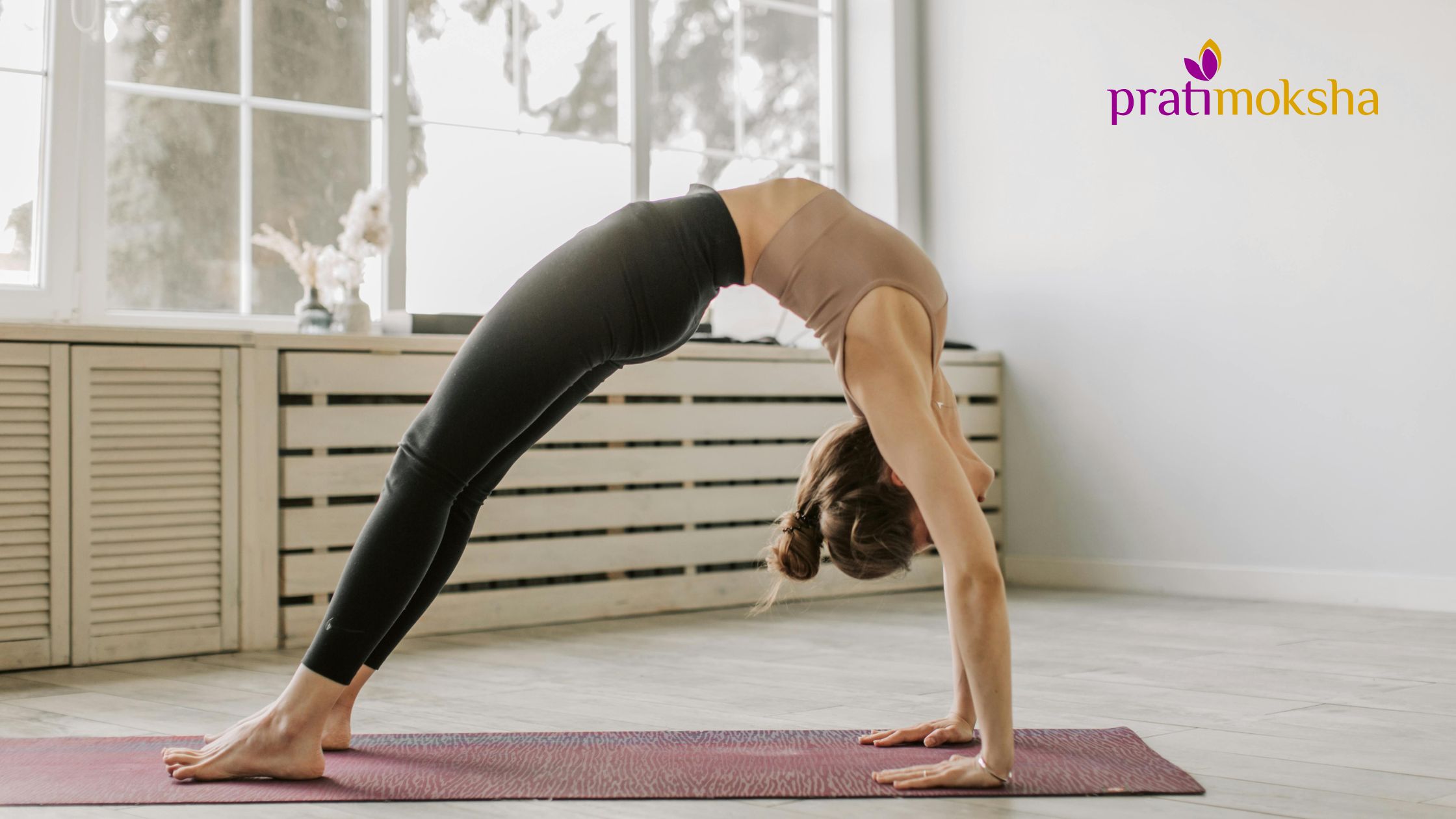
When Life Changes Faster Than Personal Habits
For many expats in Dubai, life settles on the outside long before it does internally. Work routines shift. Living spaces change. Travel becomes frequent. Social circles evolve.
Amid these transitions, personal wellness practices are often the first to become inconsistent. Classes are missed. Routines are postponed. Yoga becomes something to return to “once things stabilise.”
Yet for expats, stability rarely arrives as a fixed state. Continuity must be cultivated deliberately.
A steady home yoga routine offers one of the most reliable ways to maintain wellbeing when external circumstances remain in flux.
Why Continuity Matters More Than Intensity
Relocation places the nervous system under sustained demand. Even positive changes require adaptation. Without continuity, the body remains in a cycle of starting, stopping, and compensating.
In Dubai, this is intensified by long working hours, frequent travel, climate extremes, and the mental load of expatriate life. Sporadic wellness efforts may provide momentary relief but rarely support long-term balance.
Yoga supports continuity not through intensity, but through repetition, rhythm, and attention.
The Yogic Understanding of Routine
In traditional Yoga, routine is not about rigidity. It is about creating supportive structure.
A consistent practice establishes predictable signals of safety for the nervous system. Over time, this steadiness improves emotional regulation, sleep quality, and physical resilience.
This philosophy underpins much of the work within therapeutic yoga frameworks, where regularity is valued more than duration or complexity.
Dubai in Numbers: Lifestyle Disruption and Wellness Gaps
Regional wellbeing data consistently shows that expats in the UAE experience fluctuations in sleep, stress levels, and exercise consistency during periods of transition and travel. Many report difficulty maintaining routines despite strong motivation.
These trends point to a need for adaptable, home-based practices that can move with changing schedules rather than compete with them.
A Familiar Expat Experience
An expat professional described starting and stopping yoga repeatedly after relocating to Dubai. Travel, long workdays, and irregular schedules made studio attendance inconsistent. Over time, motivation declined.
When she shifted focus to a simple home routine practiced most mornings, the dynamic changed. Sessions were shorter, but regular. Energy felt steadier. Mental clarity improved.
The practice did not depend on ideal conditions. It depended on commitment.
What Makes a Home Yoga Routine Sustainable
A sustainable home practice is not defined by how much you do, but by how realistically it fits into your life.
Key principles include:
- Practicing at a consistent time, even if brief
- Prioritising breath and awareness over variety
- Choosing simple sequences that can be repeated
- Allowing flexibility without abandoning structure
These elements support continuity without creating pressure.
Core Components of a Steady Home Practice
1. A Clear Starting Point
Begin each session the same way. A few moments of stillness or breath awareness signals the transition into practice. Familiarity builds steadiness.
2. Breath-Led Movement
Allow the breath to guide movement. This keeps effort appropriate and supports nervous system regulation, especially in home environments without external cues.
Such approaches are often introduced within mindfully guided yoga classes, which can inform how home practice is structured.
3. Limited, Repeatable Postures
A small set of postures practiced regularly is more effective than constantly changing sequences. Repetition deepens awareness and confidence.
4. Integrated Rest
Rest is essential for continuity. Ending each practice with stillness helps the body absorb the effects and reinforces the habit of completion.
For expats with complex schedules or specific health concerns, individualised yoga support can help design routines that remain realistic and adaptable.
Correcting a Common Home Practice Misconception
A common belief is that home practice must mirror studio classes to be effective.
In reality, home yoga serves a different purpose. It is about maintenance, regulation, and continuity. Simplicity is a strength, not a limitation.
Consistency matters far more than replicating intensity.
The Pratimoksha Perspective on Home Practice
At Pratimoksha, home practice is encouraged as an extension of guided learning, not a replacement for it.
Under the guidance of Lalitha Viswanath, founder and lead Yoga therapist, students are taught how to practice responsibly on their own, recognising when to maintain, when to rest, and when to seek guidance.
This emphasis on discernment helps expats sustain wellness even during periods of change.
Responsibility and Gentle Discipline
A steady home yoga routine requires personal responsibility.
There will be days when practice feels easy and days when it feels resistant. Continuity is built by showing up without negotiation, even for short durations.
Yoga supports wellbeing, but it does not remove the need for discipline.
A Practical Way to Begin
Wellness continuity does not require perfect conditions. It requires commitment to small, repeatable actions.
For expats seeking guidance on establishing a home practice that fits their lifestyle, beginning with a guided trial session can provide clarity and direction. Those wishing to discuss suitability or structure are welcome to connect through the studio contact page for a thoughtful conversation.
In a changing environment, a steady practice becomes an anchor. Not dramatic. But quietly transformative.




0 Comments