
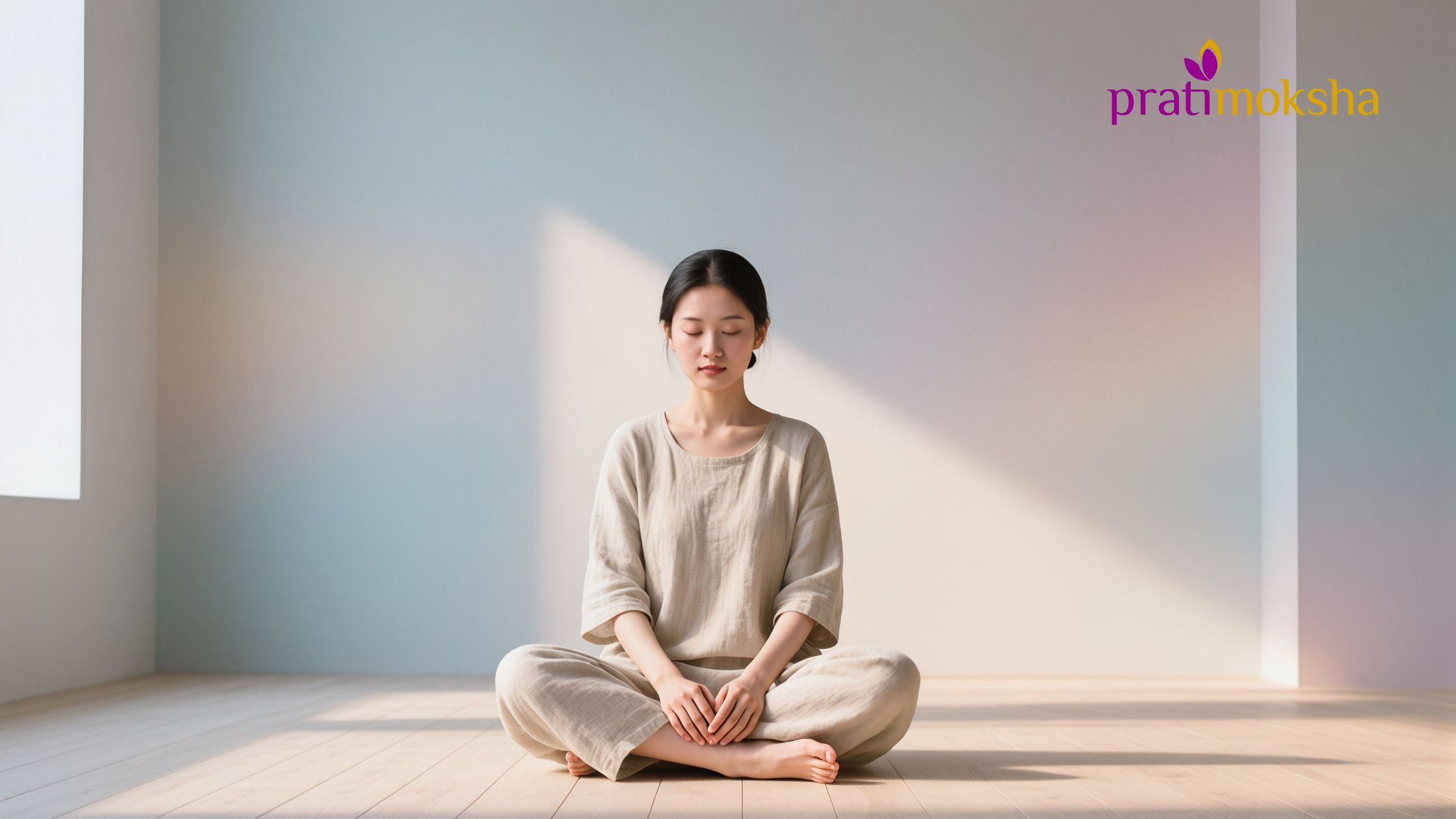
When Life Feels Busy but Not Necessarily Balanced
In Dubai, life often looks organised from the outside. Calendars are full. Careers are progressing. Families, social commitments, and personal goals are carefully managed.
Yet many residents quietly acknowledge a deeper imbalance. Despite success and structure, the body feels tired. Emotions fluctuate easily. The mind rarely feels fully present, even during moments meant for rest.
This is not a failure of discipline. It is often the result of living in a high-functioning environment without adequate opportunities for nervous system recovery.
Yoga, when approached as a mind–body discipline rather than a physical routine, offers a way to restore balance without withdrawing from modern life.
Life in Dubai and the Subtle Erosion of Balance
Dubai’s pace rewards efficiency, adaptability, and resilience. Many residents juggle demanding work schedules, long commutes, family responsibilities, and social expectations, often within a climate that places additional strain on the body.
Extended hours indoors, constant air-conditioning, screen exposure, and the emotional load of expatriate life gradually affect sleep, digestion, mood, and energy levels. Over time, imbalance becomes normalised.
Balance, in this context, is not about doing less. It is about supporting the systems that allow you to function sustainably.
Balance Through the Yogic Understanding of the Mind and Body
In Yoga, balance is not defined by external symmetry or time management. It is understood as harmony between effort and ease, activity and rest, engagement and withdrawal.
The mind and body are viewed as a single, integrated system. When one is consistently overstimulated, the other compensates. Emotional reactivity, physical tension, and mental fatigue are signals that this integration has weakened.
Traditional Yoga addresses this through coordinated practices involving movement, breath, attention, and rest. The aim is not to suppress stress, but to build resilience and clarity.
This perspective forms the foundation of yoga therapy, where practices are applied progressively and responsibly, based on individual patterns rather than generic prescriptions.
Dubai in Numbers: Why Balance Matters More Than Ever
Recent regional health observations indicate rising reports of stress-related fatigue, sleep disturbances, and anxiety symptoms among working adults in the UAE. High digital engagement and long working hours are consistently identified as contributing factors.
These patterns highlight an important reality. Wellness in Dubai is not about intensity or variety. It is about regulation, consistency, and integration into daily life.
A Quiet Story from Dubai
A mid-career professional living in Dubai described feeling perpetually “on.” Workdays were productive, but evenings felt restless. Weekends passed quickly without true recovery.
She began a slower, breath-led yoga practice focused on awareness rather than achievement. Initially, the simplicity felt underwhelming. Over several weeks, subtle shifts emerged. Sleep improved. Emotional responses softened. Energy felt steadier rather than fluctuating.
There was no dramatic breakthrough. Instead, balance returned gradually, through repetition and attention.
What a Mind–Body Reset Really Involves
A genuine reset is not an escape or a retreat from responsibility. It is a recalibration.
In Yoga, this recalibration happens by addressing three core areas:
- Physical tension accumulated through posture, travel, and prolonged sitting
- Mental agitation driven by constant stimulation and decision-making
- Emotional fatigue caused by sustained pressure without adequate recovery
A mind–body reset works when these layers are addressed together, not in isolation.
Core Yoga Practices That Support Balance
The practices below are commonly used in therapeutic contexts and are particularly relevant for residents seeking steadiness amid busy lives.
1. Breath-Led Movement
Movement guided by breath encourages the nervous system to shift out of urgency. The breath leads the posture, allowing effort to remain appropriate rather than excessive.
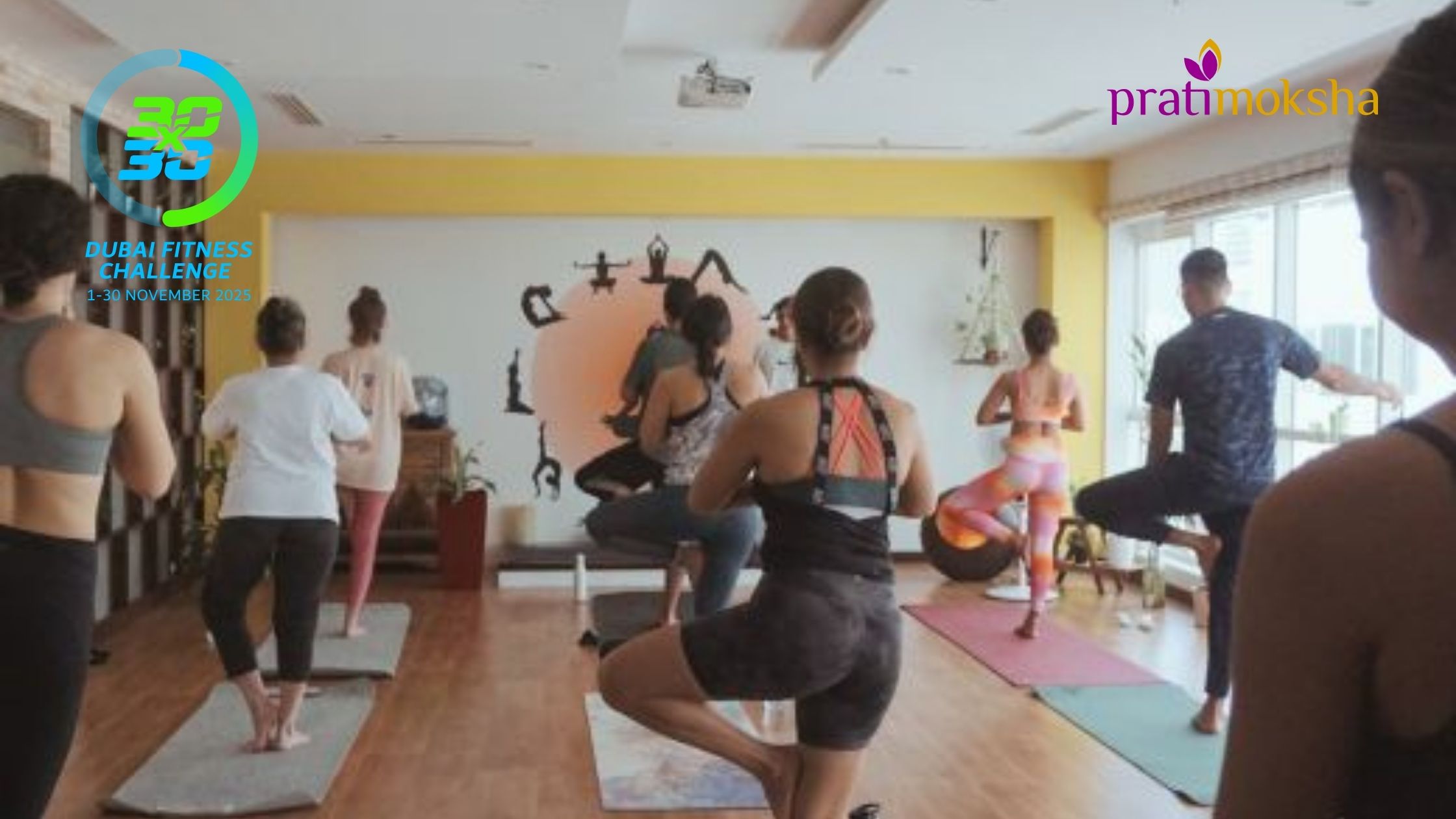
This approach is emphasised in yoga classes that prioritise awareness, alignment, and internal regulation over pace or performance.
2. Slower Transitions and Conscious Pauses
Transitions are often where imbalance accumulates. Moving slowly between postures cultivates presence and reduces mental scatter. Pauses are not gaps, but integral moments of integration.
3. Extended Exhalation Breathing
Lengthening the exhalation activates the parasympathetic nervous system, supporting emotional steadiness and mental clarity. This is especially helpful in air-conditioned environments that promote shallow breathing.
4. Supported Rest and Stillness
Rest is treated as a practice, not a reward. Supported postures and guided stillness allow the body to absorb the effects of movement and breath without effort.
These principles are often adapted within Individual programmes, where practices are tailored to lifestyle demands, emotional load, and physical capacity.
Correcting a Common Wellness Misconception
A prevalent belief in modern wellness culture is that balance can be achieved by adding more activities or optimising routines.
In reality, imbalance often arises from doing too much without adequate awareness. Adding more stimulation, even in the name of self-care, can deepen fatigue rather than resolve it.
Yoga challenges this pattern by teaching restraint, sensitivity, and discernment. Balance is restored not by accumulation, but by refinement.
The Pratimoksha Approach to Mind–Body Balance
At Pratimoksha, Yoga is approached as a long-term discipline rather than a quick solution. Practices are rooted in tradition and informed by therapeutic understanding.
Under the guidance of Lalitha Viswanath, founder and lead Yoga therapist, students are encouraged to listen carefully to their bodies and respect their current capacity. Progress is measured by steadiness, clarity, and resilience, not by intensity or external form.
This approach resonates with individuals who value depth, responsibility, and sustainable wellbeing within Dubai’s modern context.
Responsibility, Consistency, and Integration
A mind–body reset does not happen overnight.
Yoga supports balance when it is practiced consistently and integrated into daily life. Short, regular practices are often more effective than occasional intensive sessions. Personal responsibility remains essential.
Yoga offers guidance and support, but participation and patience are required.
A Thoughtful Way Forward
Life in Dubai may remain fast and demanding. Balance does not require withdrawing from this reality.
It requires cultivating the inner conditions that allow you to meet life with clarity and steadiness.
For residents who feel ready to explore Yoga as a tool for genuine mind–body balance, beginning with a trial session offers an opportunity to experience this approach without pressure. Those seeking guidance on suitability or next steps are also welcome to connect through the contact page for a thoughtful conversation.
Balance, when approached with patience and responsibility, becomes not a goal to achieve, but a way of living.




0 Comments