

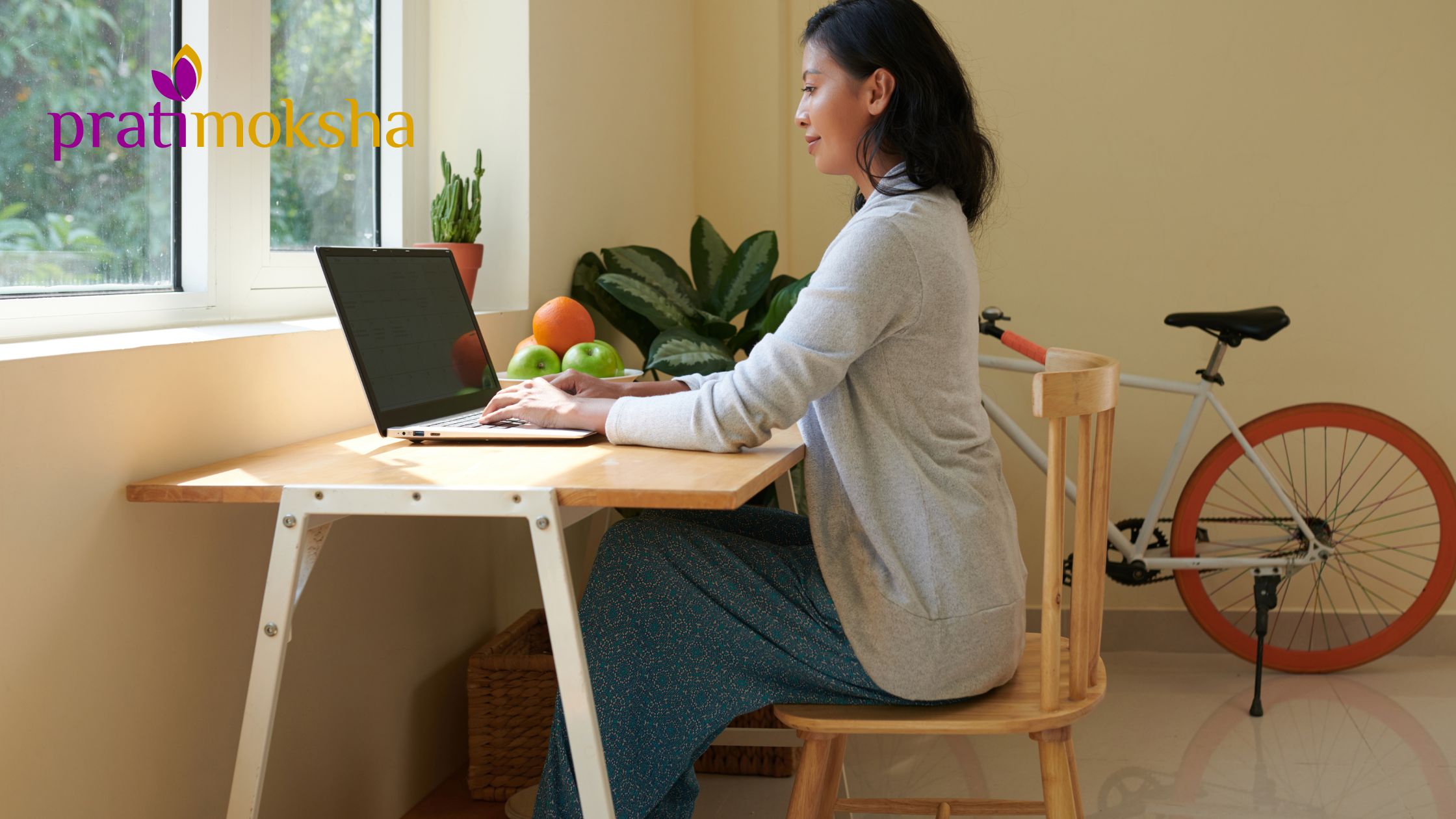
You’ve probably blamed your chair. Or your mattress. Maybe you’ve invested in a lumbar cushion, adjusted your desk height, and downloaded a posture reminder app on your phone. The back pain persisted anyway.
That’s not a failure of effort — it’s a sign that something more complex is happening. Research published in the journal Pain found that psychological stress is one of the strongest predictors of chronic lower back pain — stronger, in many cases, than physical ergonomic factors.
A separate review in the European Spine Journal confirmed that people with high workplace stress were significantly more likely to develop persistent back pain, regardless of how much time they spent sitting. In other words, the chair may not be the problem.
Back pain is one of the most common complaints among working professionals, and Dubai is no exception. Long commutes, extended screen hours, and a demanding professional environment — often layered on top of the pressures of expat life — all accumulate in the body, particularly in the lower back and shoulders.
But here’s what most people don’t account for: the pain may not be primarily about how they sit. It may be about how they live.
When Posture Gets All the Blame
Poor posture is real, and it does contribute to musculoskeletal strain. When the spine is held out of alignment for extended periods — at a screen, behind a steering wheel, or on a sofa — the muscles, ligaments, and discs that support it bear an uneven load. Over time, that strain becomes familiar. Background noise. And then one day, unbearable.
But posture correction alone rarely resolves chronic back pain. Anyone who has dutifully sat up straighter for weeks without relief knows this.
The reason is that posture is not just a physical habit — it’s a somatic expression of your nervous system’s state. When you’re under sustained stress, the body braces. The shoulders come forward. The jaw tightens. The lower back compresses. This is not laziness or bad habit. It is the body’s intelligent, if exhausting, attempt to prepare for threat.
The problem is that for many people, the threat never fully passes. So the bracing never fully releases.
What Stress Actually Does to the Spine
When the nervous system is in a prolonged state of alertness — what stress researchers call chronic activation — the muscles along the spine remain in a low-grade state of contraction. This is particularly pronounced in the paraspinal muscles: the long muscles running on either side of the spine that support its upright position.
Sustained contraction in these muscles restricts blood flow, reduces flexibility, and creates the kind of dull, persistent ache that doesn’t respond well to stretching or massage. Because the trigger isn’t mechanical. It’s neurological.
The demands of modern professional life — long hours, digital overload, the pressure to perform — are present in cities around the world. Dubai’s fast-moving environment means many residents are navigating all of this at once, often without adequate recovery time. Recognizing that back pain may have a neurological root, not just a postural one, changes what the solution needs to look like.
Why Yoga Approaches This Differently
Yoga therapy doesn’t separate the physical from the psychological. That distinction — body over here, mind over there — is not part of the classical yogic framework. The body is understood as a field in which mental and emotional patterns express themselves. Tension, resistance, and held emotion all have physical addresses.
This is not mysticism. It maps closely onto what contemporary neuroscience describes when it discusses the mind-body connection. The yogic tradition simply arrived there a few thousand years earlier.
Approached therapeutically, yoga for musculoskeletal health works on several levels simultaneously:
- Structural realignment — specific asanas that restore balance to the spine, pelvis, and surrounding musculature
- Nervous system regulation — practices that shift the body from sympathetic (stress-response) dominance toward parasympathetic (rest-and-restore) activity
- Breath-led release — pranayama techniques that directly influence the tone of the muscles along the spine and diaphragm
- Sustained awareness — training the practitioner to notice habitual tension patterns before they compound into pain
The last point matters more than it might seem. Most people with chronic back pain have lost the ability to feel what tension actually feels like — they only notice it once it becomes pain. Yoga rebuilds that sensitivity deliberately.
The Role of the Breath in Back Pain
One of the least discussed contributors to back pain is the diaphragm. This large dome-shaped muscle separates the chest from the abdomen and plays a central role in both breathing and spinal stability.
When a person breathes shallowly — which is almost universal under stress — the diaphragm doesn’t move through its full range. The deep core muscles that stabilize the lumbar spine fail to activate properly. The lower back compensates by overworking.
Restoring full diaphragmatic breathing is therefore not a relaxation exercise. It’s a structural intervention.
Lalitha Viswanath, who founded Pratimoksha with over 19 years of classical yoga study behind her, has consistently emphasized breath as the entry point for addressing chronic physical complaints — not because it’s calming, but because it’s the most direct bridge between the nervous system and the muscular body.
What a Therapeutic Approach Looks Like in Practice
A yoga therapy session for back pain at Pratimoksha is not a gentle stretching class with modifications. It begins with an understanding of the whole person — their lifestyle, stress patterns, sleep, and the specific location and quality of their pain.
From there, the practice is structured to address root patterns rather than surface symptoms. This might include targeted asana work to decompress the lumbar region, specific pranayama sequences to regulate the nervous system, and guided awareness practices to help the student recognize and interrupt the tension they carry through the day.
It is methodical. It takes time. And it produces lasting change rather than temporary relief.
The individual program at Pratimoksha exists precisely for this kind of work — personalized, responsive, and rooted in classical understanding rather than generic prescription.
The Question Worth Sitting With
If your back pain has persisted despite physical corrections — a better chair, more movement breaks, physiotherapy — it may be time to ask a different question. Not “what am I doing wrong with my posture?” but “what is my body carrying that it hasn’t been able to put down?”
Yoga doesn’t promise a quick answer. But it offers a genuine inquiry — one that addresses the problem at the level it actually lives.
If you’re in Dubai and ready to explore what’s really driving your back pain, a trial session at Pratimoksha is a good place to begin. Come with your questions. Leave the lumbar cushion at home.




0 Comments